

Sino-Portuguese architecture is a unique fusion style that blends elements of Chinese and Portuguese architectural traditions. It emerged in the 15th and 16th centuries as Portuguese traders established settlements in Southeast Asia, particularly in places with significant Chinese populations like Phuket, Melaka, and Singapore.
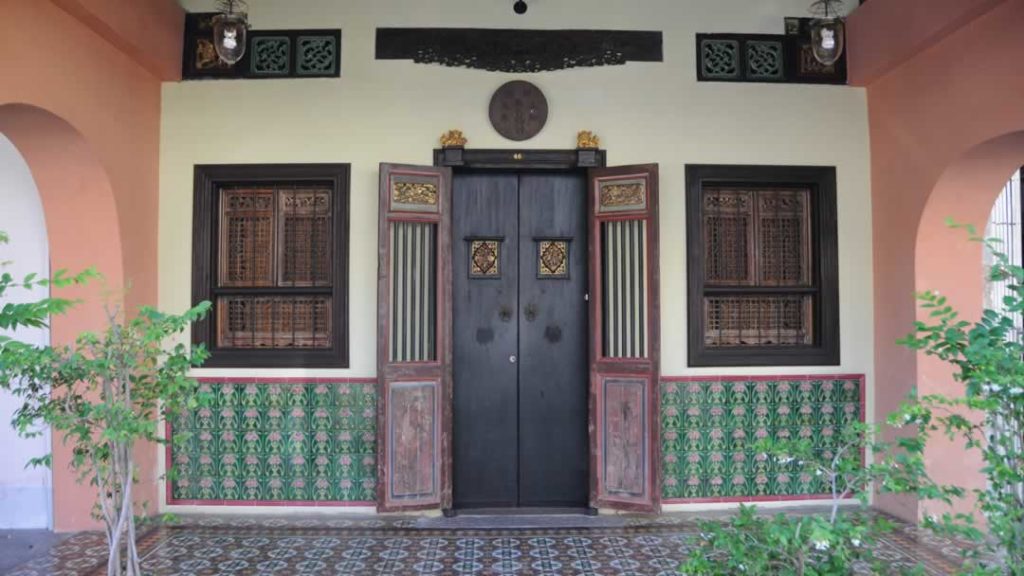
Here’s a breakdown of the key characteristics:
- Chinese Influence:
- Roofs: Curved roofs with glazed tiles, a common feature in traditional Chinese architecture.
- Decorative Elements: Ornate motifs and symbols with auspicious meanings, often painted in vibrant colors.
- Courtyard Design: Central courtyards acting as social spaces and lightwells, a feature seen in many Chinese homes.
- Portuguese Influence:
- Facades: Symmetrical facades with stucco work and pastel colors, reminiscent of European styles.
- Windows and Balconies: Prominent use of large windows with shutters or grilles, and decorative balconies, inspired by Portuguese design.
- Arches and Gables: Rounded arches and decorative gables above doorways and windows, adding a touch of European elegance.
The resulting Sino-Portuguese buildings are a fascinating blend of Eastern and Western aesthetics. They stand as a testament to the cultural exchange that occurred during this period of history.
Here are some examples of where you can find Sino-Portuguese architecture:
- Phuket Old Town, Thailand
- Melaka, Malaysia
- Penang, Malaysia
- Singapore’s Chinatown